
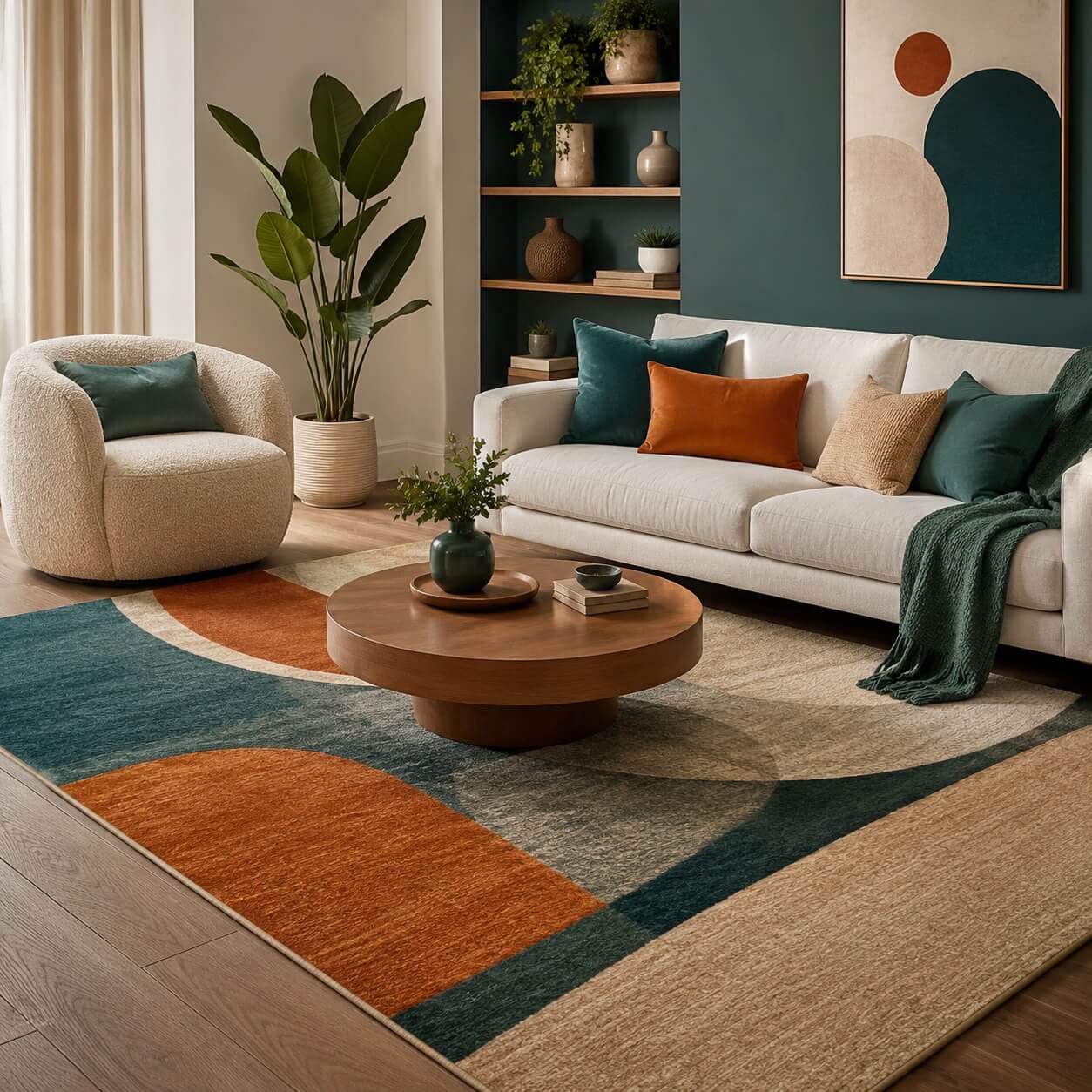
A beautifully designed home is about more than stylish furniture and carefully chosen décor. It’s the thoughtful finishing touches that bring a space together, and few home accessories have as much impact as a designer rug. Whether you’re furnishing a new home, renovating an older property, or simply updating a room, the right rug can instantly enhance both the look and feel of your interior.
In New Zealand, homes often feature open-plan living areas, timber flooring, and large windows that let in plenty of natural light. While these design elements create bright, welcoming spaces, they can also leave rooms feeling a little bare or echoey. A designer rug helps solve this by adding warmth, texture, comfort, and visual balance without overwhelming the room.
From modern city apartments to coastal retreats and family homes, designer rugs suit a wide range of interiors. This guide explores everything you need to know about choosing the perfect designer rug, including styles, materials, sizing, placement, and care, so you can make a confident choice for your home.
What Are Designer Rugs?
Designer rugs are premium floor coverings created with a strong focus on craftsmanship, quality materials, and distinctive design. Unlike standard rugs, they are designed to become an integral part of your interior, combining functionality with aesthetics to complement your home’s overall style.
Available in countless colours, textures, patterns, and finishes, designer rugs suit a variety of decorating styles. Some feature subtle neutral tones that blend effortlessly into contemporary interiors, while others showcase bold patterns that become the focal point of a room.
Beyond their appearance, designer rugs also improve comfort underfoot, soften hard flooring, reduce everyday noise, and help define separate areas within open-plan spaces.
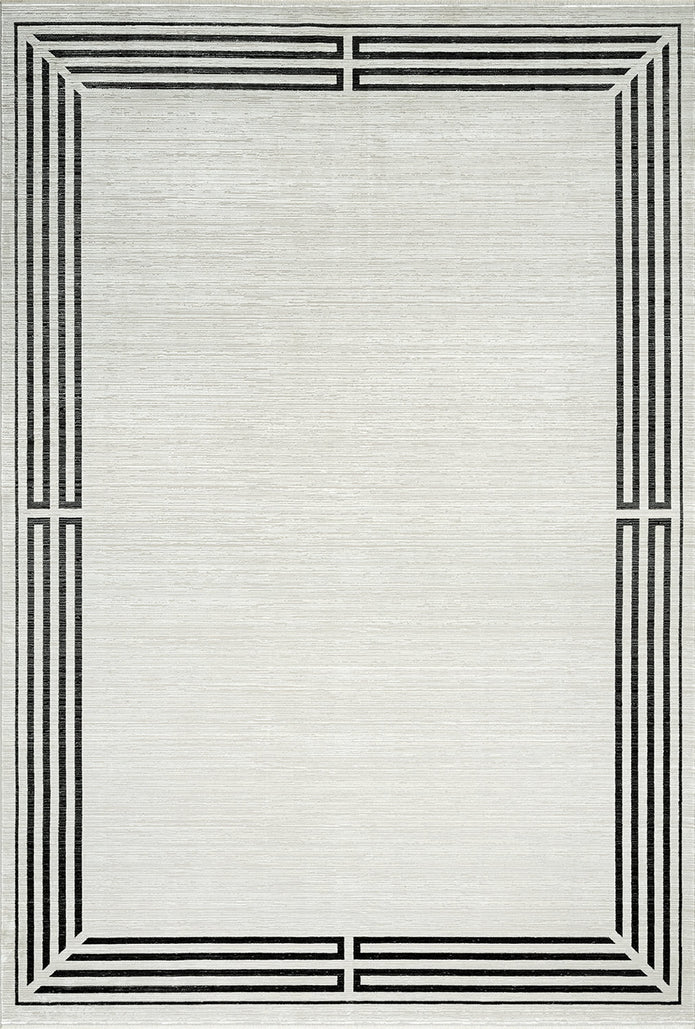
LINEAR FRAME CONTEMPORARY DESIGNER RUG
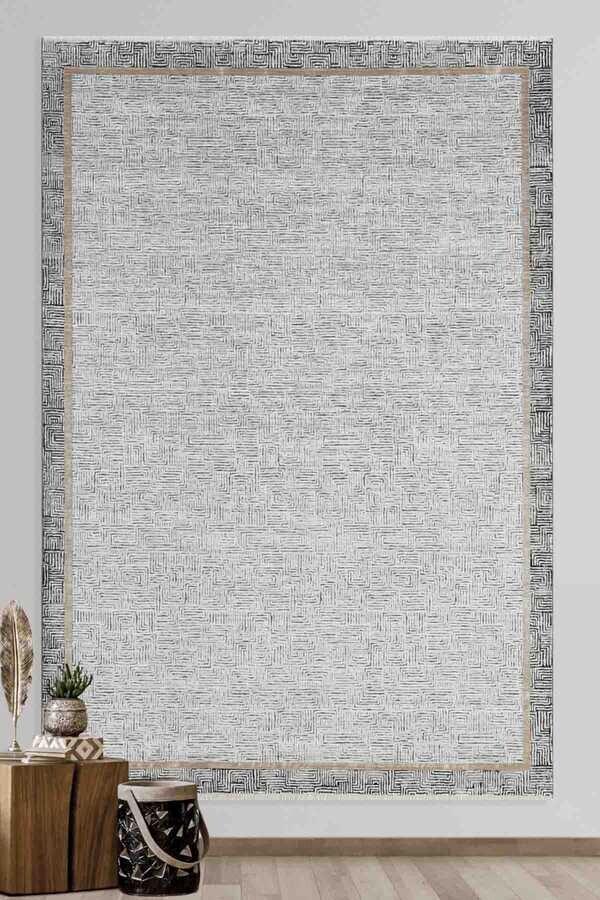
CURLY FRAME CONTEMPORARY DESIGNER RUG
Why Are Designer Rugs So Popular in New Zealand Homes?
Designer rugs have become increasingly popular among New Zealand homeowners because they combine style with everyday practicality.
They Add Warmth Throughout the Year
Many New Zealand homes feature timber, laminate, or polished concrete floors. While these surfaces look beautiful, they can feel cool during the colder months. A designer rug adds an extra layer of insulation, creating a warmer and more comfortable living environment.
They Define Open-Plan Living Spaces
Open-plan layouts are common in modern New Zealand homes. Rather than using walls to separate different areas, a designer rug can visually define spaces such as the lounge, dining area, or reading corner while maintaining an open, spacious feel.
They Improve Comfort
Whether you’re relaxing with family, entertaining guests, or simply enjoying a quiet evening, a quality rug provides a soft and comfortable surface underfoot that makes any room feel more inviting.
They Enhance Interior Style
A carefully selected rug introduces colour, texture, and personality into your home. It can complement existing furnishings or provide a striking feature that ties the entire room together.
Popular Designer Rug Styles
One of the biggest advantages of designer rugs is the wide variety of styles available.
Modern Designer Rugs
Modern rugs feature clean lines, understated patterns, and balanced colour palettes. They suit contemporary homes where simplicity and sophistication are key design elements.
Abstract Rugs
Abstract rugs offer artistic designs inspired by brushstrokes, natural landscapes, and organic forms. These rugs create visual interest and often become the centrepiece of a room.
Scandinavian-Inspired Rugs
Scandinavian interiors remain popular throughout New Zealand due to their light colours and minimalist appeal. Rugs in this style typically feature soft neutral shades, subtle geometric patterns, and natural textures.
Geometric Designs
Geometric rugs provide structure and balance while adding a modern touch. Their repeating patterns work well in living rooms, home offices, and dining spaces.
Traditional Designer Rugs
Traditional designs continue to appeal to homeowners who appreciate timeless elegance. Intricate detailing and classic motifs bring warmth and character to both heritage homes and modern interiors.
How to Choose the Right Designer Rug
Finding the perfect designer rug involves more than selecting a pattern you like. Considering your room size, furniture layout, and lifestyle will help you choose a rug that is both practical and visually appealing.
Choose the Correct Size
Size is one of the most important considerations. A rug that is too small can make a room feel disconnected, while one that’s too large may overpower the space.
For living rooms, the front legs of your sofa and chairs should ideally rest on the rug to create a cohesive seating area. In dining rooms, the rug should extend beyond the table so chairs remain on the rug when pulled out. Bedrooms often benefit from a large rug positioned beneath the lower portion of the bed, creating a soft landing when you get up each morning.
Consider Your Colour Scheme
Think about how the rug will work with your existing furnishings.
Neutral colours create a timeless look that complements most interiors, while bold colours and patterns can add personality and become a striking focal point.
If your furniture already features vibrant colours or busy patterns, a simpler rug often provides the right balance.
Select the Right Material
Different materials offer different benefits depending on where the rug will be used.
Wool is naturally durable, soft underfoot, and provides excellent insulation, making it well suited to New Zealand’s changing seasons.
Cotton offers a lightweight and breathable option that works well in casual living areas.
Polypropylene is durable, stain-resistant, and easy to maintain, making it ideal for busy family homes.
Polyester is known for its soft feel and vibrant colours, while viscose and bamboo silk provide a luxurious appearance with a subtle sheen.
Think About Everyday Living
Every household is different. Families with young children or pets may prefer durable materials that are easy to clean, while quieter spaces such as bedrooms or formal sitting rooms can accommodate softer, more luxurious fibres.
Where Should You Place a Designer Rug?
Correct placement can dramatically improve the appearance of a room.
In the living room, a rug should anchor your seating arrangement and create a sense of unity.
Dining room rugs should be large enough for chairs to remain on the rug even when moved away from the table.
Bedrooms benefit from rugs positioned beneath the bed or alongside it to provide warmth underfoot.
Entryways and hallways also benefit from durable designer rugs that create an inviting first impression while protecting flooring from everyday wear.
Caring for Your Designer Rug
Looking after your rug properly will help preserve its appearance and extend its lifespan.
Vacuum regularly to remove dust and dirt before it becomes embedded in the fibres. Rotate your rug every few months to promote even wear and reduce fading in areas exposed to direct sunlight.
If a spill occurs, blot it immediately with a clean cloth rather than rubbing the stain further into the fibres. Following the manufacturer’s care instructions is always recommended, particularly for natural fibres.
Using a quality rug underlay can also improve comfort, reduce movement, and protect both the rug and your flooring.
Professional cleaning every year or two is a worthwhile investment for maintaining premium rugs in excellent condition.
Frequently Asked Questions
Yes. A high-quality designer rug offers long-term value through its durability, comfort, and timeless appearance. With proper care, it can remain an attractive feature in your home for many years.
Wool is an excellent choice because it provides warmth, durability, and natural insulation. Polypropylene is another popular option for busy households thanks to its easy maintenance.
Measure your room carefully and consider your furniture layout. Choosing the correct size helps create a balanced, well-proportioned space.
Absolutely. Many designer rugs are specifically designed to withstand everyday use while maintaining their appearance. Durable synthetic fibres and tightly woven wool rugs are particularly suitable for busy living spaces.
Regular vacuuming combined with prompt spill removal is usually sufficient for everyday maintenance. Professional cleaning every 12 to 24 months helps preserve the rug’s appearance and longevity.
Final Thoughts
A designer rug is one of the simplest ways to enhance the comfort, style, and functionality of your home. From creating cosy living spaces during New Zealand’s cooler months to defining open-plan interiors and adding personality through colour and texture, the right rug can make a lasting difference. By considering your home’s layout, choosing suitable materials, and following good care practices, you’ll enjoy a rug that continues to look beautiful for years to come. If you’re ready to explore a wide range of premium designer rugs for every style and space, discover the carefully curated collections available at Rugs Direct.